
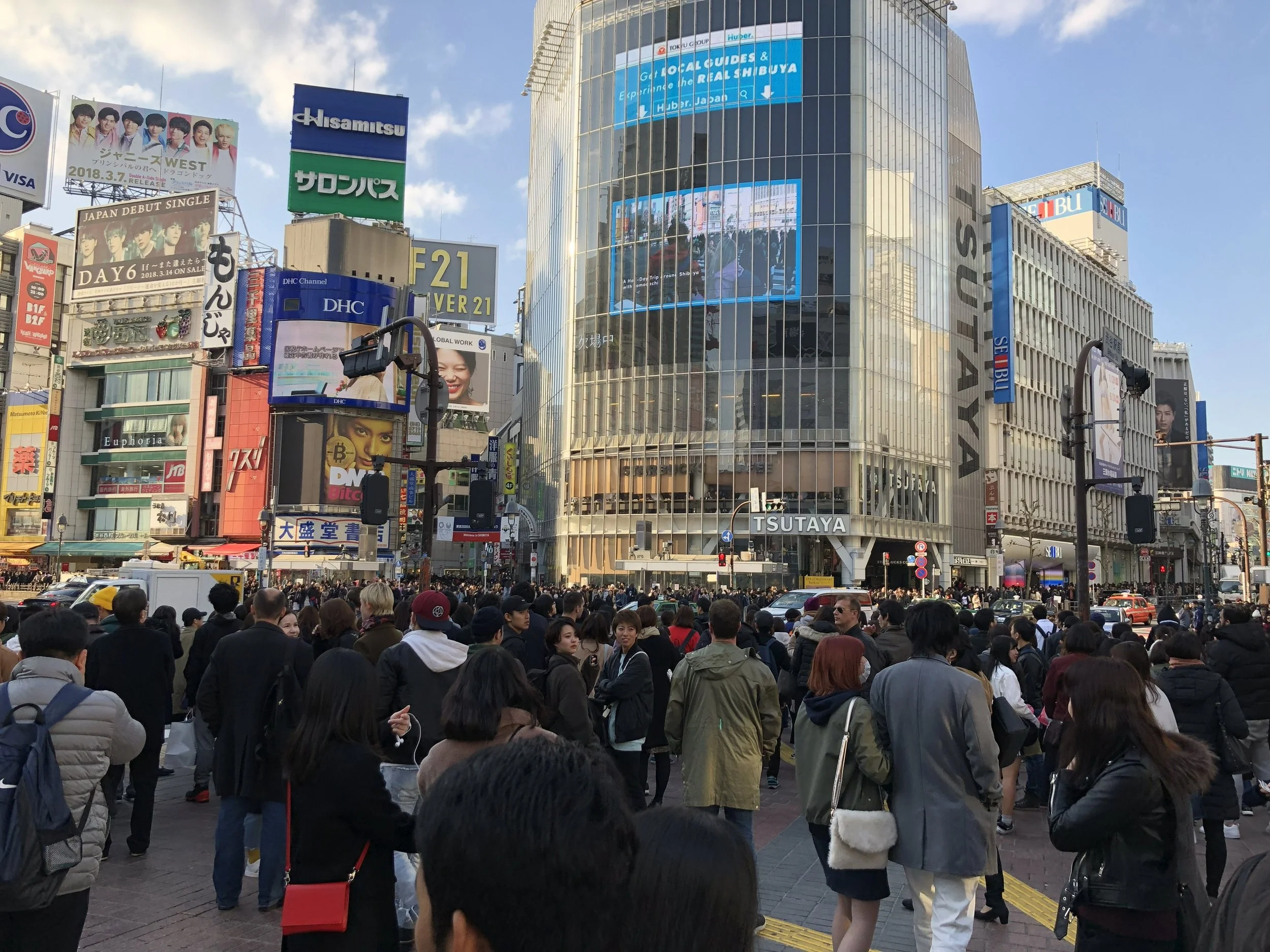
Japan can feel overwhelming at first, but surprisingly easy to navigate for English speakers
We work with travelers at every stage. Some have been to Japan more times than they can count, and what they want from us is narrow and specific. A table.
Japan runs differently from the rest of the world here. At the top sushi and kaiseki counters in Tokyo and Kyoto, the best seats can open twelve to eighteen months ahead and disappear in a single afternoon. A number of them don't take new guests at all. The term is ichigen-san okotowari — "no first-time customers" — a practice that comes out of the old ochaya teahouses of Kyoto's Gion, where the relationship between house and guest mattered more than money. You don't book these places. You get introduced. A regular vouches for you, and you're in. We can sometimes help with that handoff at the counters we know well.
That's one end of what we do. Some of our most exciting work happens at the other end, with people taking their first trip.
It often starts as a tentative email. A kind of excited suspicion. "I really want to go to Japan, but..." and the sentence trails off. Those three dots hold a lot. Too expensive. Too far. I won't know where to go. I'll get lost. But the objection we hear more than any other, by a wide margin, is this one: no one will speak English. We have watched people choose South America, or Europe, or anywhere else, convinced that a language barrier will quietly ruin a holiday in Asia.
This is one of the hardest worries to talk someone out of. It is also, in our experience, almost entirely unfounded. We have had more trouble communicating in France and the Czech Republic than anywhere we have been in Asia. So let us walk through a few countries and tell you how language actually works in each.
Japan: Yes, You'll Be Fine
Japan is the most complicated, so we'll start there.
In the interest of full disclosure, I have some facility with spoken and written Japanese. It is also completely unnecessary for an extraordinary trip. Is it true that of all the places we're discussing today, Japan is where you're most likely to meet someone who speaks no English? Yes. And it does not matter, because this is where your phone does real work.
Everyone knows Google Translate, and its camera function alone is worth the download. Point it at a menu or a train sign and the Japanese resolves into English in real time. DeepL tends to produce cleaner, more natural translations for anything you actually type out. Papago, built by a Korean company specifically for East Asian languages, often reads more fluently than the bigger names. And the one most travelers have never heard of: VoiceTra, a free voice-translation app developed by Japan's own national research institute. You speak, it speaks back in Japanese, and it was built by the people who understand the language best. Using these tools in front of someone is not rude. Most people you meet will appreciate that you are making the effort.
In the larger hotels and the major sites of Tokyo, Kyoto, and Osaka, you will find plenty of English. Where you don't, the person across the counter already knows it before you have said a word, and they have made their peace with it. They are ready to adapt, the same way you are.
A few things help. Speak slowly. Do not raise your voice. We traveled with a dear friend in Japan some years ago, and after two days I had to take her aside. She will remain nameless here, to protect the not so innocent. I reminded her, gently, that shouting at someone does not improve their English. Lower the volume. Slow the pace. Between a translation app, a few gestures, and a willingness to look slightly ridiculous, you will get there. You may just need to sharpen your pantomime.
The thing we most want you to carry into Japan is a single idea: omotenashi. It is the practice of anticipating a guest's needs before they are ever spoken aloud. Service offered before you knew to ask for it. We have sat across from people speaking Japanese far too quickly and too elegantly for us to follow, and the omotenashi was unmistakable anyway. It does not require a shared language. It only asks you to notice it.
Thailand: Even More So
Thailand is a different story, because the warmth there is in a category of its own.
I am studying Thai. I would put my current level at preschool, and I am rounding up. The happy surprise of that slow journey has been discovering how strong the English is across Thai hospitality. Restaurants, hotels, attractions. The fluency is remarkable, all the more so given that Thai and English share nothing structurally.
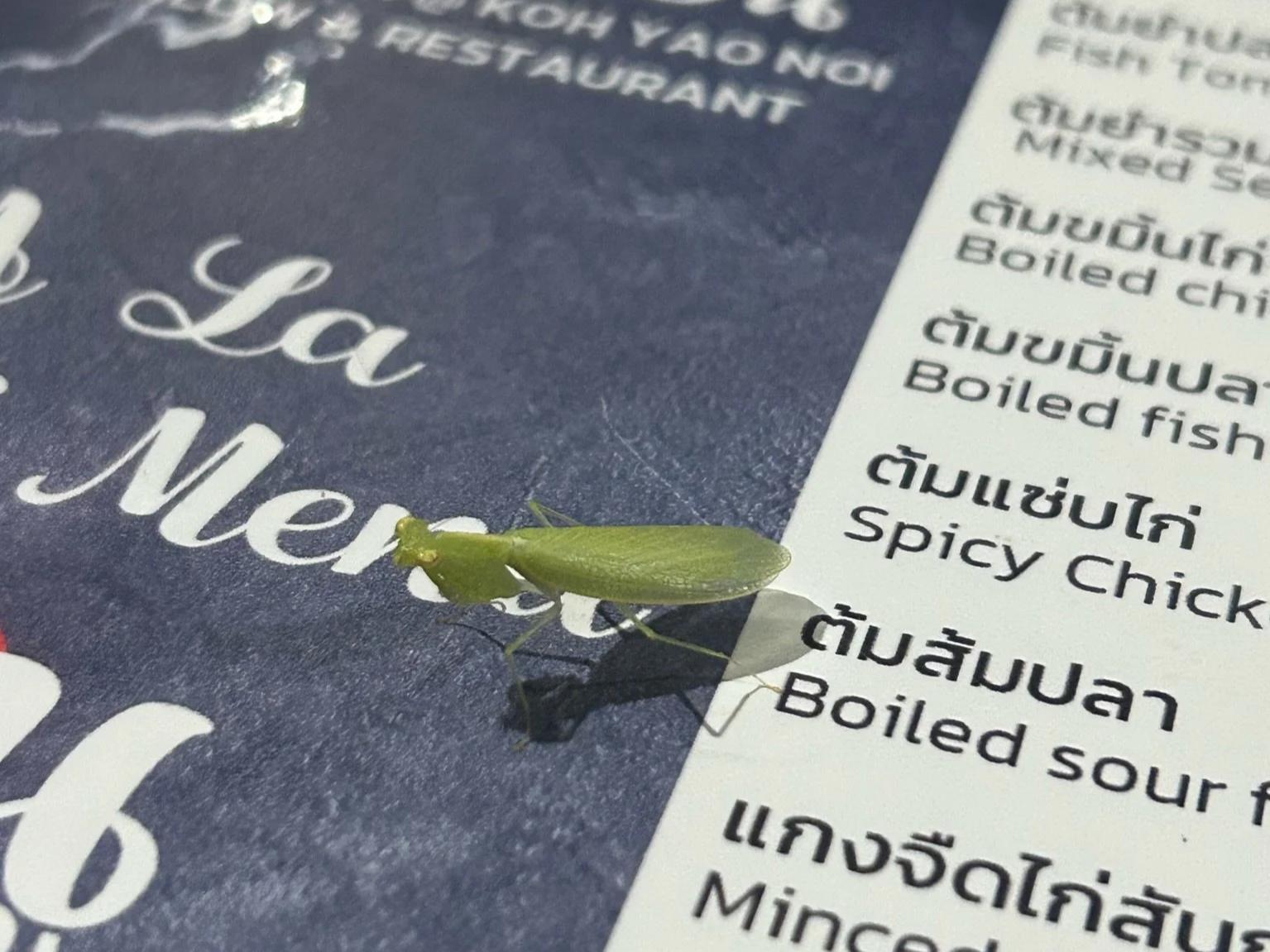
Many of Thailand’s restaurants have English menus, and if not, there’s always a translation app for that.
Here is something we don't often hear people say out loud, because they are afraid of how it sounds. Now and then you may struggle to understand someone speaking English with a Thai accent. People sit on this worry quietly, convinced that naming it makes them rude, or worse. So we'll just say it. It happens. And it is the smallest thing in the world to navigate. Thai people are among the kindest and warmest you will meet anywhere on earth. A respectful "I'm so sorry, would you mind saying that once more?" is met with a smile and a repeat, every time. There are remote corners of the country where English runs thinner, but in any place you are likely to find yourself, language is simply not a concern.
Taiwan, Singapore, and Hong Kong
Then there are Taiwan, Singapore, and Hong Kong, where English is a primary language and the question mostly dissolves. The first time you visit Singapore, you may be as charmed as we were to find people speaking better English than you do, in a clipped Singaporean accent that lands somewhere between Britain and Australia. Otherworldly and delightful at once. If English fluency is the specific fear that has kept you from Asia, any of these three is a wonderful place to begin.
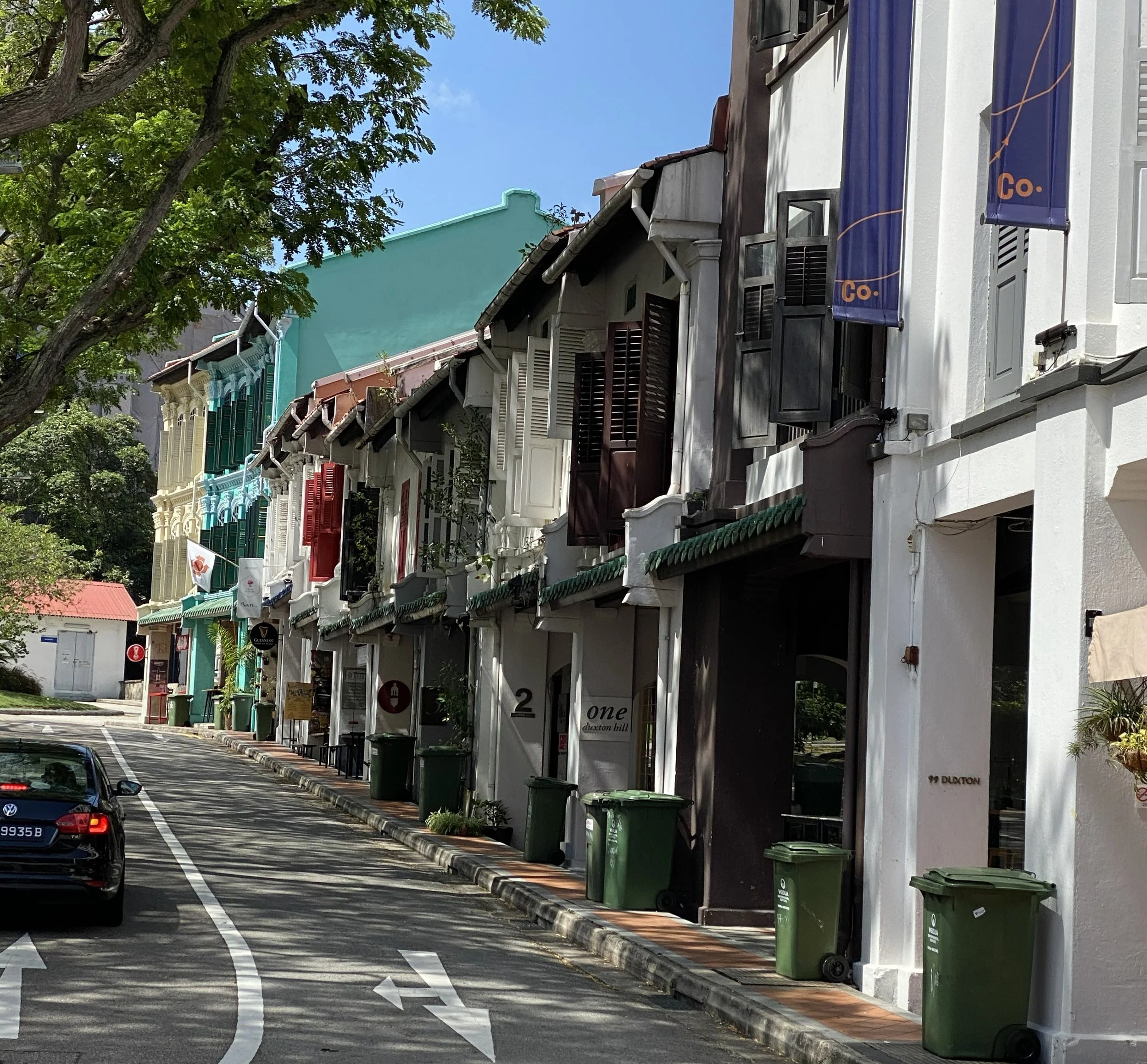
Singapore is one of the easiest places to navigate as a Western guest, where English is one of 4 primary languages.
Here is the whole of it. If you are worried about being understood, about getting what you need while traveling in Asia, that worry is completely surmountable. We would still encourage you to carry a little of the language with you wherever you go. Even if all you manage in Japan is ohayoo gozaimashita and doomo arigatoo, or sawadee krap and khap khun khrap in Thailand, it will deepen everything that follows. We are guests in every country we visit. Everyone appreciates a respectful guest.
If you are thinking about Asia — your first trip or your tenth — we would love to help you build it. Reach out and let's talk about where you want to go, and what you are afraid is standing in the way.
Frequently Asked Questions
Do I need to speak Japanese to travel in Japan?
No. A smartphone with Google Translate, DeepL, or VoiceTra handles the heavy lifting. Japan's major cities have significant English signage, and the service culture — omotenashi — means you'll be looked after regardless.
What is the best translation app for Japan?
We use all four: Google Translate (camera function for menus and signs), DeepL (typed translations), Papago (East Asian languages specifically), and VoiceTra (voice translation, built by Japan's national research institute). Download all of them before you go.
Do they speak English in Thailand?
Across hotels, restaurants, and attractions — yes, remarkably well. Thai and English share no structural similarity, which makes the fluency all the more impressive. Remote areas are thinner, but anywhere a traveler is likely to find themselves, it's not a concern.
Is Singapore easy to travel without knowing the local language?
Singapore is one of the easiest places on earth to travel as an English speaker. English is one of the country's four official languages and is used in government, business, and daily life.
